How to Reduce Allergens in Your Home: A Room-by-Room Guide for Twin Cities Homeowners
Reducing home allergens starts with controlling humidity below 50%, using HEPA filtration, removing or replacing carpet where possible, and following a room-by-room cleaning routine targeting dust mites, pet dander, mold, and pollen.
Here's a number that might surprise you: 8 out of 10 Americans are exposed to dust mites, and 4 out of 5 homes have dust mite allergens in at least one bed. Add in the fact that 6 out of 10 Americans are regularly exposed to cat or dog dander - and you start to understand why so many people feel worse inside their own home than they do outside.
If you're sneezing, congested, or waking up with itchy eyes and you can't figure out why, your home might be working against you.
For Twin Cities homeowners, this is especially relevant. The Asthma and Allergy Foundation of America ranks Minneapolis among the most allergy-challenging metro areas in the country. Minnesota's pollen season now starts roughly 20 days earlier than it did 30 years ago - and when outdoor allergens are high, people seal up their homes and circulate the same indoor air over and over. That can actually concentrate allergens rather than reduce them.
The good news: there's a lot you can do about it. And most of it doesn't require a renovation budget.
Here's a room-by-room breakdown of what works.
Start Here: The Whole-Home Factors That Matter Most
Before we go room by room, there are a few home-wide levers that have an outsized impact on allergen levels throughout your entire house. Get these right first.
Control Your Humidity
This is probably the single most important thing you can do. Dust mites - the most common indoor allergen trigger - thrive at relative humidity levels of 70–80%. Research shows that homes maintaining humidity below 45% have dust mite populations up to 80% lower than homes running above 65%.
The American Academy of Allergy, Asthma & Immunology (AAAAI) recommends keeping humidity below 50% throughout your home. The sweet spot for most people is 30–50% - low enough to suppress dust mites and mold, high enough that dried-out allergen particles don't go airborne.
In Minnesota, this cuts both ways. Our winters are dry - you may actually need a humidifier to stay above 30% and keep allergens from becoming airborne. Our humid summers are when mold and dust mites thrive. A dehumidifier in summer, a humidifier in winter, and a simple hygrometer (a $15 device that measures humidity) will help you stay in the right range year-round.
Your HVAC System Is Your First Line of Defense
Your furnace and AC share the same blower - meaning the same fan that heats your home in winter is the one pushing conditioned air in summer. It runs year-round, cycling air through the same filter 24 hours a day. A clogged or wrong filter means all of that recycled air is carrying allergens back into your living space.
Use a MERV 7 or MERV 8 pleated filter and change it every 1–3 months. Resist the urge to buy the highest-rated filter on the shelf - ultra-dense HEPA-style HVAC filters can restrict airflow and stress your blower motor without meaningfully improving air quality for most homes.
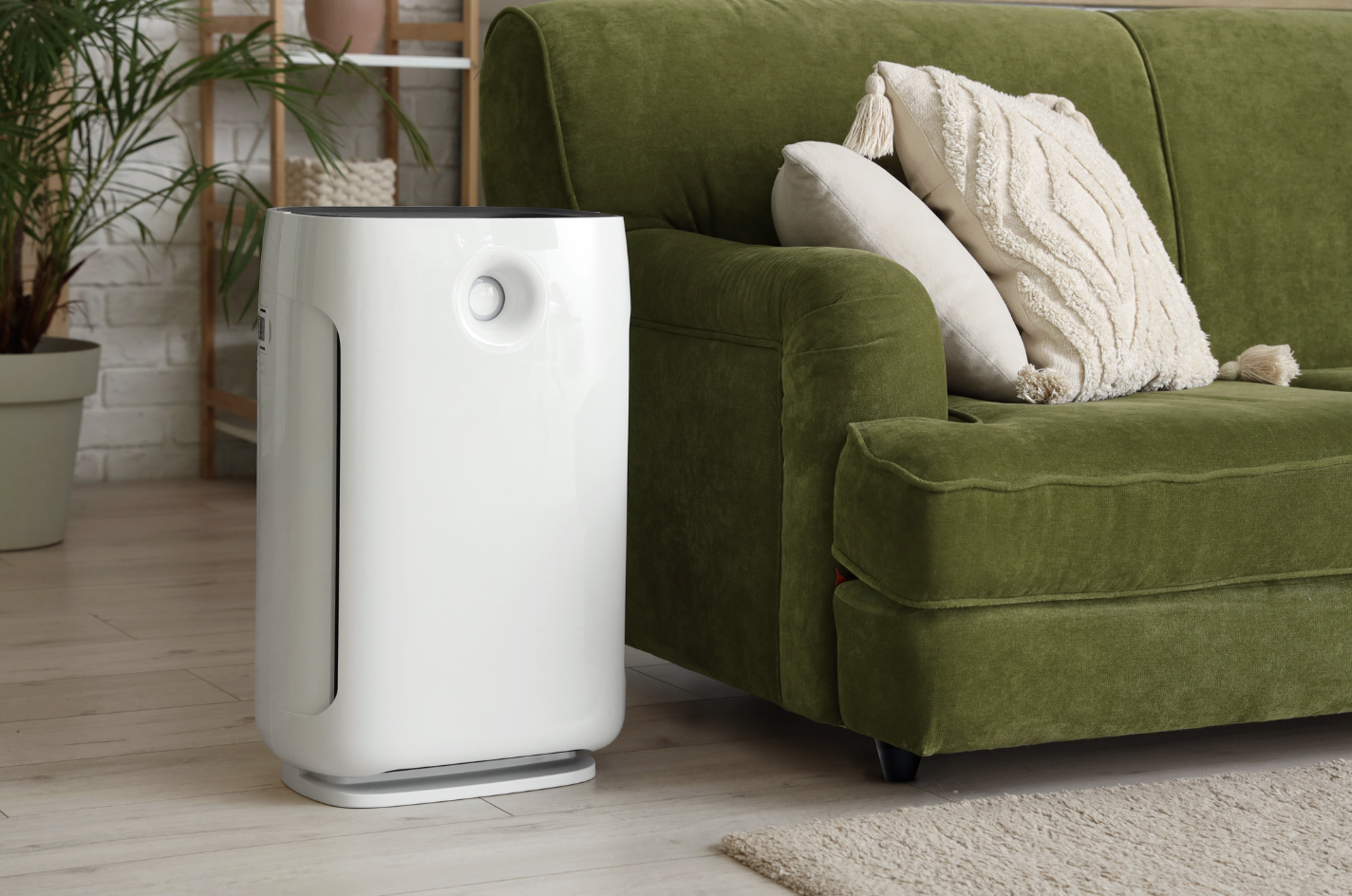
If allergies are severe, consider a standalone HEPA air purifier for bedrooms or main living areas. HEPA filters capture 99.97% of airborne particles 0.3 microns and larger - that includes pollen, pet dander, and mold spores. The Mayo Clinic includes HEPA air purifiers as part of a recommended allergen management plan.
No smoking indoors - ever
Cigarette, cigar, and pipe smoke is a direct respiratory irritant and dramatically worsens allergy and asthma symptoms. This one is non-negotiable. Not a single room in your home should be used for indoor smoking.
The bedroom: your most important room
You spend roughly a third of your life in your bedroom. That makes it the highest-priority space for allergen control - and unfortunately, it's also where dust mites concentrate most heavily (they feed on shed skin cells, and beds are prime real estate for that).\
Bedding and Mattresses
Encase your mattress, box spring, and pillows in allergen-proof covers. These are zippered, tightly woven covers that create a physical barrier between you and whatever is living in your mattress - because yes, dust mites are in there.
Wash your sheets, pillowcases, and blankets at least once a week in water heated to at least 130°F (54°C). Below that temperature, you're cleaning the sheets but not actually killing the mites. If your washer has a sanitize cycle, use it.
Swap out wool or feather comforters and pillows for synthetic alternatives - they're easier to wash at high temperatures and don't harbor mites as readily.
Flooring
Carpet is a dust mite habitat. If you have the option, hardwood, tile, or vinyl plank flooring in the bedroom is a meaningful upgrade for allergy sufferers. Use washable area rugs instead of wall-to-wall carpet.
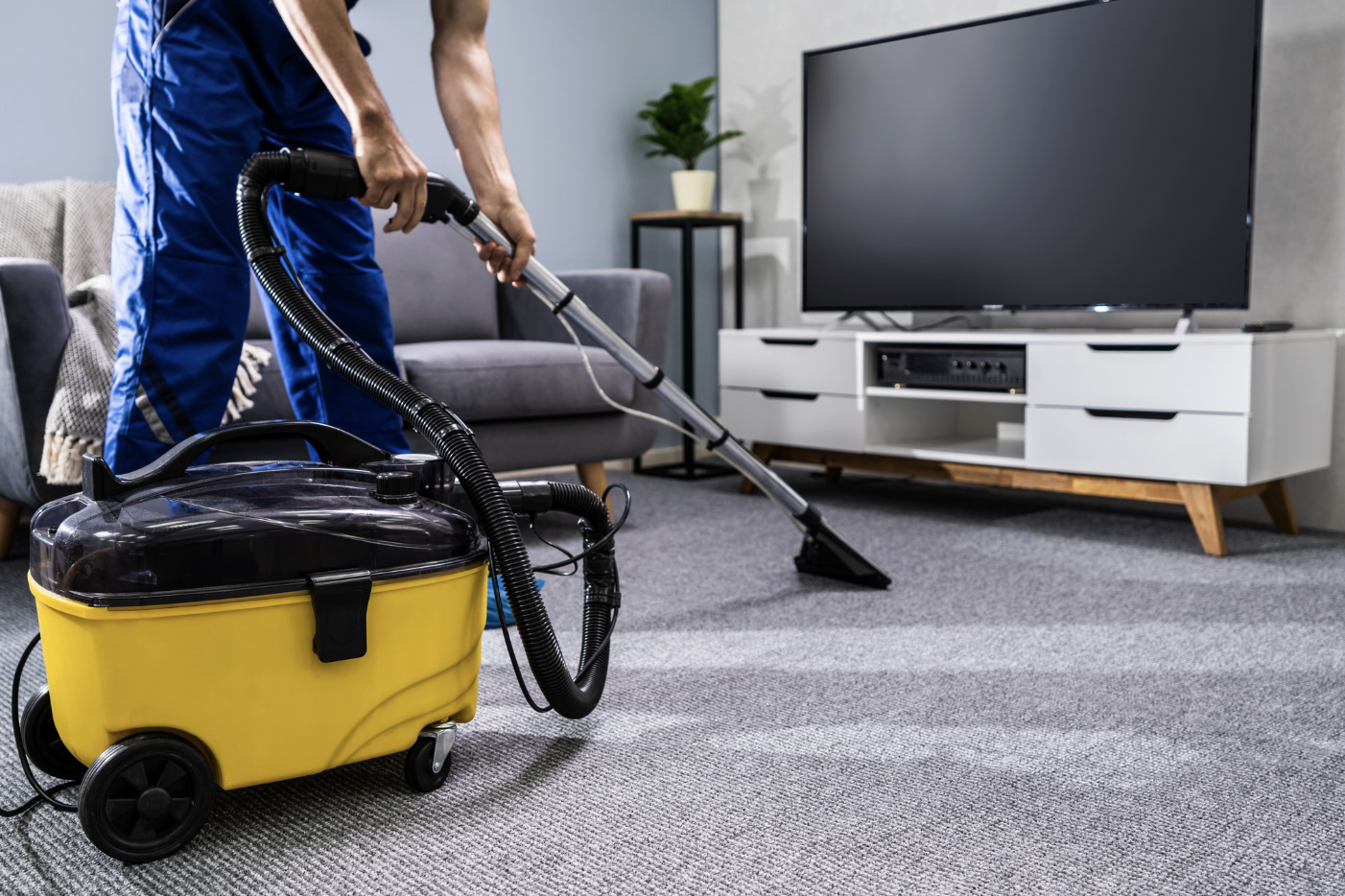
If replacing the floor isn't in the budget, use a low-pile carpet rather than high-pile, and vacuum weekly with a vacuum that has a HEPA filter. A regular vacuum without HEPA filtration can exhaust fine particles back into the air - which is worse than not vacuuming at all.
Window Treatments
Horizontal blinds collect dust. Fabric curtains trap allergens. The best options for allergy control are washable roller shades - simple, easy to wipe down, and low-maintenance. If you prefer curtains, use plain cotton or synthetic fabric and wash them regularly.
Keep windows closed during high pollen periods. In the Twin Cities, that means tree pollen from April through May, grass pollen in June and July, and ragweed from August through mid-October. Rely on your AC for air circulation during those stretches rather than opening windows and pulling pollen inside.
Furniture and Clutter
Upholstered bedroom furniture - especially old sofas or chairs - harbors dust mites. Stick to leather, wood, metal, or plastic for easy-to-clean surfaces. Remove items that collect dust: knickknacks, open bookshelves, tabletop ornaments. Store kids' toys, stuffed animals, and games in sealed plastic bins.
Pets in the Bedroom
I know this one's hard. But if you have pet allergies (or suspect you do), keeping pets out of the bedroom makes a measurable difference. Pet dander is sticky - it clings to surfaces and fabrics and lingers long after the pet has left the room. If keeping pets out entirely isn't realistic, bathe them at least once a week and brush them outdoors to reduce airborne dander in the house.
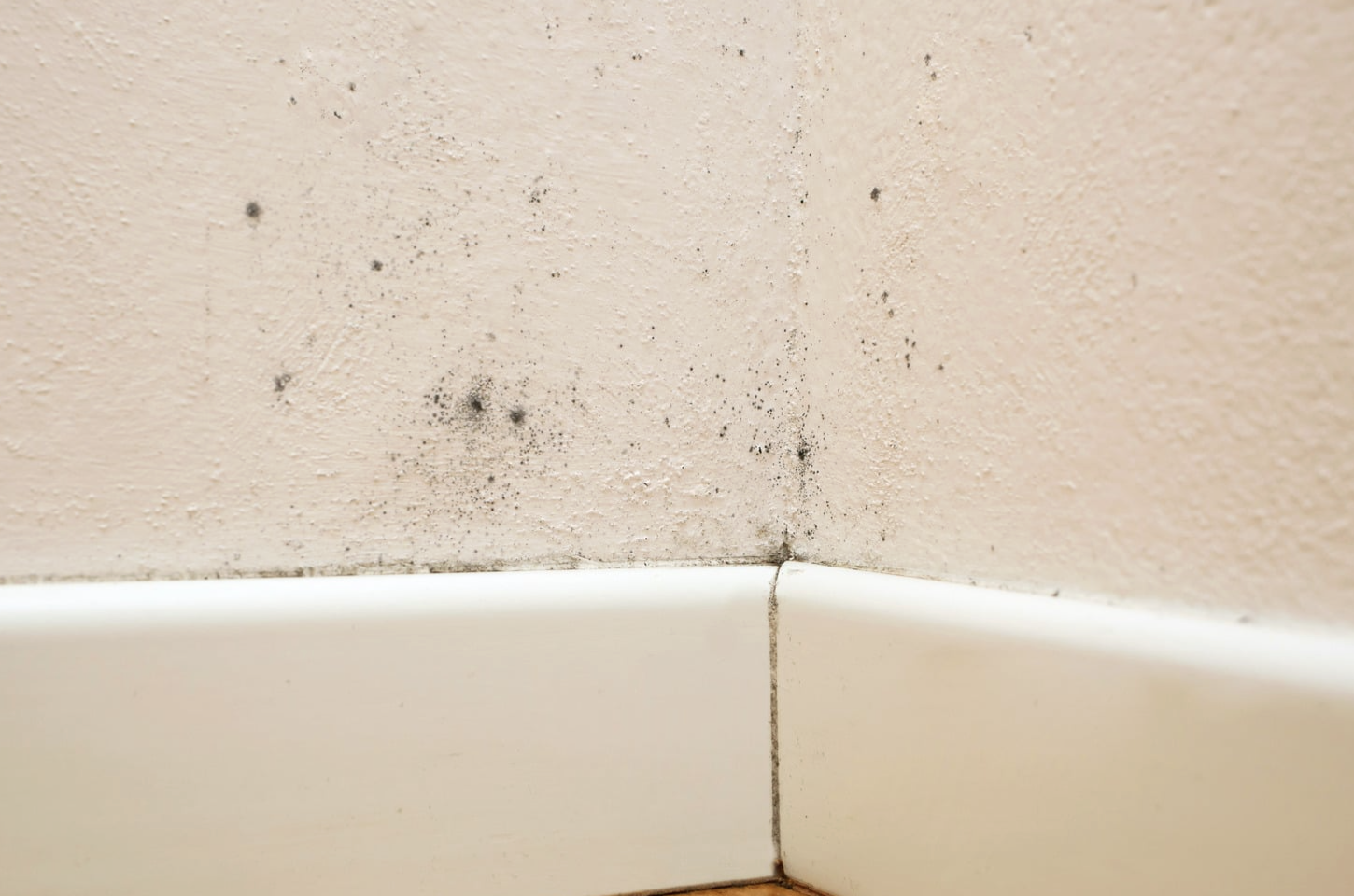
Making sure your home is properly ventilated prevents mold.
The Living Room
Flooring and Furniture
Same principle as the bedroom: hard flooring plus washable area rugs beats wall-to-wall carpet. If you do have carpet, vacuum weekly with a HEPA-filtered vacuum and have it professionally cleaned periodically.
For furniture, leather, wood, metal, or plastic beats fabric upholstery for allergen control. If you're not ready to replace the sectional, at minimum, vacuum it weekly with an upholstery attachment and wash any removable covers regularly.
Fireplaces
Wood-burning fireplaces are a real problem for people with respiratory allergies or asthma. Smoke and combustion particles are direct irritants that inflame airways. If you have a wood-burning fireplace and allergy or asthma symptoms, consider using it sparingly or not at all.
Natural gas fireplaces are a much better option - they don't produce the same particulates and won't trigger most respiratory sensitivities.
Plants
Houseplants look great and some varieties are marketed as "air purifiers," but potted soil is a mold breeding ground. If you're mold-sensitive, reduce the number of indoor plants or spread aquarium gravel over the soil surface to limit mold spore exposure. Keep plants out of the bedroom entirely.
The Kitchen
Kitchens are primarily about mold and pest control - two significant allergen sources that most people don't connect to their allergy symptoms.
Ventilation
Install and use a vented exhaust fan over your stove. Cooking generates moisture, grease, and particulates that contribute to mold growth and general air quality issues. Run the fan while cooking and for several minutes afterward.
Moisture and Mold Control
Wipe up spills promptly. Check under your sink regularly for slow plumbing leaks - a dripping P-trap under the cabinet creates the perfect dark, damp environment for mold. Clean your refrigerator's rubber door seals and drip pan periodically, as both are common spots for mold growth that often goes unnoticed.
Food Storage and Pests
Store all food - including pet food - in sealed containers. Cockroach and rodent allergens are among the most potent indoor triggers, particularly for asthma. Cockroach saliva, feces, and shed body parts are highly allergenic and a significant problem in older homes across the metro. Keep the kitchen free of crumbs, empty trash daily in a lidded container, and address any signs of pests promptly with traps or a licensed exterminator.
The Bathroom
Ventilation
Run an exhaust fan during every shower or bath and leave it running for at least 15–20 minutes afterward. If your bathroom doesn't have an exhaust fan, this is worth adding - it's a relatively inexpensive fix that makes a significant difference in moisture control.
Surfaces
Tile floors and walls beat carpet and wallpaper in a bathroom. If you have wallpaper in a bathroom, consider removing it - it traps moisture behind the wall and provides a surface for mold growth. Paint walls with mold-resistant primer and paint.
Scrub the tub, shower, and faucets regularly with a bleach-based cleaner. Pay attention to grout lines and caulk seams - those are common spots for mold to establish. Replace moldy shower curtains and bathmats; they're inexpensive and not worth the air quality tradeoff.
Leaks
Repair any dripping faucets or toilet leaks promptly. Even minor, slow leaks create chronic moisture that feeds mold colonies inside walls and under flooring - often without visible signs until it's become a bigger problem.
Building a Weekly Cleaning Routine
All of the above is only as good as your follow-through. Here's a simple routine that keeps allergens from accumulating:
Weekly:
Damp-mop all hard floors (dry dusting just redistributes particles into the air)
Vacuum all carpet and area rugs with a HEPA-filtered vacuum
Wipe down surfaces - including the tops of doors, window sills, and window frames - with a damp cloth
Wash sheets and pillowcases at 130°F+
Monthly:
Check and replace furnace filter if needed
Wipe down blinds and window treatments
Vacuum upholstered furniture
Clean bathroom exhaust fan grille
Seasonally:
Professional carpet cleaning
Inspect under-sink areas for leaks or mold
Service HVAC system before heating and cooling seasons
Check attic, basement, and crawl space for moisture or mold
One more thing: if you're the one with allergies, wear a dust mask while cleaning. Vacuuming and dusting stirs up allergens before they're captured. Either wear a mask or hand the task off to someone who isn't affected.
FAQ
What is the most common indoor allergen in the Twin Cities? Dust mites are the most prevalent indoor allergen nationally and in the Twin Cities metro. They're present in nearly every home. Pet dander is the second most common, and mold rounds out the top three. During Minnesota's long pollen season - which now runs from April through October - outdoor pollen tracked indoors adds to the allergen load inside the home.
You Deserve to Feel Good in Your Own Home
Your home should be a place where you recover, recharge, and breathe easy. If you're constantly fighting allergy symptoms inside your own four walls, something in the environment is working against you - and most of it is fixable.
The steps above aren't about perfection. They're about reducing your total allergen load to a point where your body isn't constantly reacting. Tackle one room at a time. Start with the bedroom since that's where you spend the most time. Add a dehumidifier or air purifier if symptoms are severe. Build the cleaning routine.
Small, consistent changes add up.
And if you're still in the process of finding the right home - or thinking about a move to the Twin Cities - these are exactly the kinds of things worth thinking about before you sign. I work with buyers and sellers across Eagan, Dakota County, and the full Twin Cities metro, and I'm happy to be a resource whether a move is on your radar right now or somewhere down the road.
Reach out anytime - no pressure, just a real conversation.
Joe Schwartzbauer | GDP Homes
Serving Eagan, Dakota County, and the Twin Cities metro
joe@gdp.homes

FAQ
What happens if I don't change my furnace filter? A clogged filter restricts airflow, making your furnace work harder. Over time this can lead to overheating, blower motor failure, and even cracked heat exchangers - which are expensive to repair and, in severe cases, a safety issue. In Minnesota winters, a furnace failure is not just an inconvenience. Stay on top of it.
Is a higher MERV rating always better for air quality? Not necessarily. A high-MERV filter installed in a system not designed for it can actually reduce air quality by restricting airflow - meaning the air in your home circulates less. A clean, appropriately rated filter changed regularly is almost always the better choice for typical residential systems.
Can I use any brand of filter as long as the MERV rating and size match? Yes. Filter brands don't matter nearly as much as size and MERV rating. Store brands and generics from warehouse stores work fine. Save the money and put it toward replacing them more frequently.
One Last Thing
Home maintenance doesn't have to be overwhelming. Furnace filters are genuinely one of the easiest wins - a $10 filter every couple of months protects a system that could cost thousands to repair or replace.
If you're a first-time homeowner in the Twin Cities and you're still figuring out the basics, that's completely normal. These are things nobody teaches you until you're standing in front of your furnace wondering what you're looking at.
And if you're still in the buying process - or thinking about making a move in the Eagan area, Dakota County, or anywhere across the metro - I'd love to be a resource. Whether you're ready to make an offer or just starting to think about what homeownership actually looks like, let's have a real conversation about it.
Reach out anytime.
Joe Schwartzbauer | GDP Homes
Serving Eagan, Dakota County, and the Twin Cities metro
joe@gdp.homes