Fall in Minnesota is short. Use it.
We never know when the first snow is going to come, and it always takes us by surprise. This warm fall is giving us the perfect excuse to make sure our homes are ready for anything the winter throws at us.
WHAT SHOULD MINNESOTA HOMEOWNERS DO BEFORE THE FIRST HARD FREEZE?
We get maybe six good weeks between the last warm weekend and the first night that freezes everything solid. In the Twin Cities, the first 32 degree night typically lands in early to mid October, according to the Minnesota DNR State Climatology Office. The DNR also notes that roughly 9 out of 10 years see a freeze by October 28.
So the window is small. And the stuff you skip in October is the stuff that costs you in January.
This list is built for Minnesota homes. Basements, sump pumps, forced air furnaces, ice dams, the whole deal. Work through it once each fall and your home will run better, cost less, and hold its value.
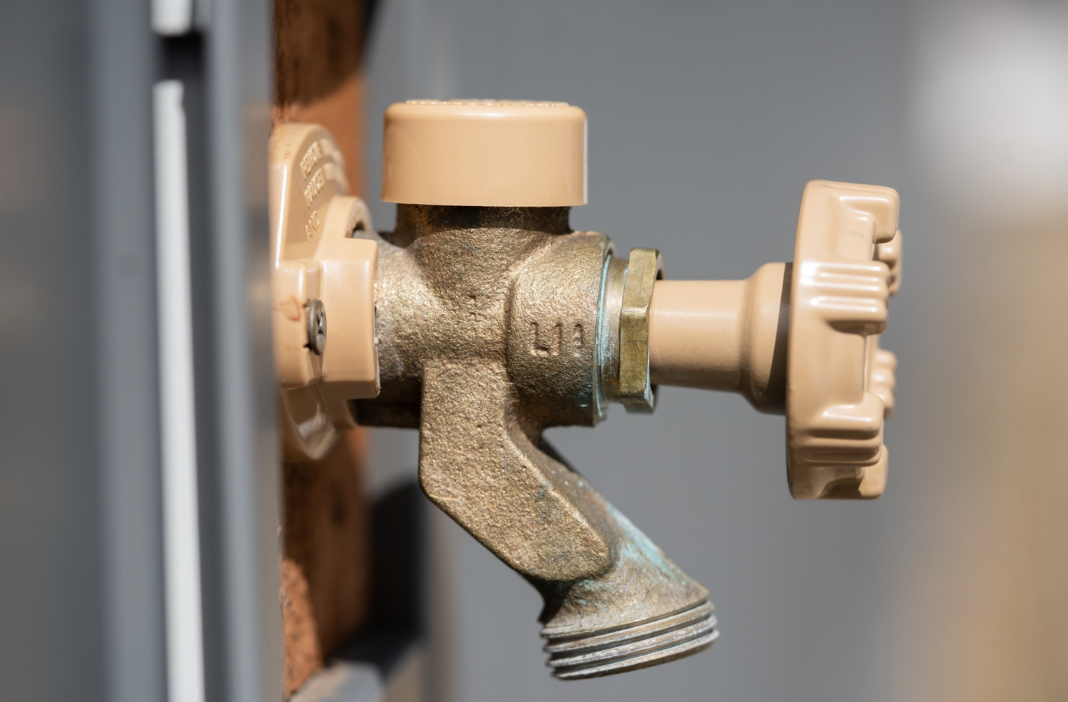
START HERE: HOSES AND OUTSIDE SPIGOTS
This is the five minute job that saves the most money.
Unhook every garden hose. A hose left connected traps water in the faucet, and that water freezes.
Find the shutoff valve inside the house for each outside spigot. It is usually in the basement near the exterior wall.
Close the inside valve, then open the outside spigot and let it drain.
The American Red Cross recommends exactly this... close the inside valve and leave the outside one open so any leftover water has room to expand. Even if your home has frost-free spigots, the hose still has to come off.
A burst pipe behind a finished basement wall is one of the most expensive surprises a Minnesota homeowner can get. This one is free to prevent.
The fall checklist
HEATING AND AIR
Get the furnace tuned up before you need it. Heating companies get slammed after the first cold snap. Book early in the season and you pick the appointment time.
Change the furnace filter. Then check it monthly through the winter.
Have the fireplace and chimney checked if you burn wood.
Test your carbon monoxide alarms. Minnesota law requires a working CO alarm within ten feet of every bedroom. Test the smoke alarms while you are at it.
WATER AND DRAINAGE
Blow out the sprinkler system before a hard freeze. Water left in the lines will crack them.
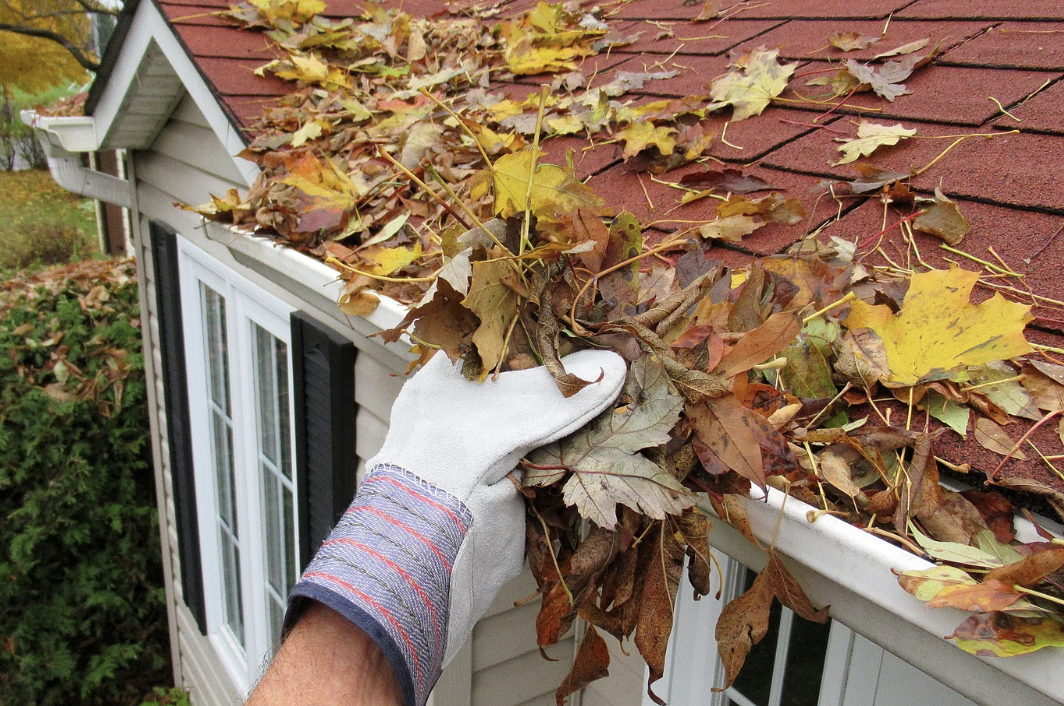
Clean the gutters after the leaves drop. Clogged gutters overflow next to the foundation and add to ice problems at the roof edge.
Check your downspout extensions. Water should land several feet away from the house, on ground that slopes away from the foundation.
KEEP THE HEAT IN
Seal the drafts. Weatherstrip doors, caulk around windows, and check the seal on the attic hatch.
Look at your attic insulation. Heat leaking into the attic is what causes ice dams later. Fall is the time to fix it, not February.
Consider a Home Energy Squad visit. Xcel Energy and CenterPoint Energy customers can schedule a low-cost home energy visit that can include a blower door test to find air leaks, plus on-the-spot fixes like weatherstripping.
YARD AND TREES
Fall is the best time for lawn work in Minnesota. The University of Minnesota Extension lawn care calendar puts fertilizing, aerating, and broadleaf weed control in the late summer through mid fall window.
Keep mowing until the grass stops growing, usually into early November.
Hold off on pruning oak trees until November. The U of M Extension lists November through March as the safe window to avoid oak wilt.
Drain the gas from the mower or add stabilizer. Get the snowblower started before the first storm, not during it.
ONE TEST MOST PEOPLE SKIP
Test for radon. The Minnesota Department of Health says about two in five Minnesota homes have high radon levels, and the best time to test is during the heating season when the house is closed up. A short-term test kit is inexpensive and takes a few days.
Why this matters for your home's value
A home that gets regular maintenance is worth more than one that does not. It is that simple.
Things break less often. Repairs stay small. And when the day comes to sell, buyers and their inspectors can tell the difference between a home that was looked after and one that was not.
One habit makes a big difference... keep the receipts. Start a folder, paper or digital, with every furnace tune-up, gutter cleaning, radon test, and repair. When a buyer can see years of maintenance records, they feel better about the home. That confidence shows up in the offer.
Need someone to do the work?
Not everything on this list is a DIY job. Furnace service, sprinkler blowouts, chimney sweeps, insulation, tree work... we know people for all of it.
GDP Homes keeps a list of local pros our clients have used and been happy with across the Twin Cities metro. If you need a name, ask us. It takes one text.
Frequently asked questions
When should I shut off my outside water in Minnesota?
Before the first hard freeze, which in the Twin Cities typically means early to mid October. If overnight lows are heading into the 20s, do it that day.
When should sprinklers be blown out in Minnesota?
Before the ground and lines freeze. Most Twin Cities homeowners schedule a blowout in early to mid fall. Irrigation companies book up fast, so call early.
Does fall maintenance really affect what my home sells for?
Yes. Deferred maintenance shows up in the inspection report and gives buyers a reason to ask for less. A well kept home with maintenance records gives them a reason to feel confident.
Your local Minnesota real estate experts
GDP Homes helps people buy and sell homes all across the Twin Cities and greater Minnesota, and we help families relocating here figure out where to land. We know this market, we know these homes, and we know what a Minnesota winter does to them.
If you have a question about your home, its value, or who to call for a repair, reach out. GDP Homes is your trusted local agents.